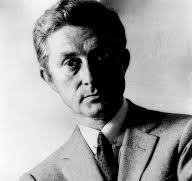

Jules François was a distinguished Belgian ophthalmologist whose work helped advance the understanding of eye diseases, retinal circulation, electro-oculography, and hereditary disorders of vision. Born in Gingelom, Belgium, on May 24, 1907, he developed a remarkable career that combined clinical medicine, scientific research, teaching, and international leadership. His influence extended well beyond Belgium, with ophthalmologists from numerous countries coming to Ghent for training under his direction.
Who Was Jules François?
Jules François, whose full name was Émile Jules Marie Joseph François, was a Belgian physician and ophthalmology specialist. He earned his medical degree from the Catholic University of Louvain in 1930 before specializing in ophthalmology and ophthalmic surgery.
After beginning his professional career in private ophthalmology practice in Charleroi, François continued to develop his scientific interests. In 1942, he became a professor at Ghent University and director of its eye clinic. This position gave him an influential platform for combining patient care, medical education, and research.
Jules François and Ophthalmology Research
A major part of Jules François’s legacy comes from his extensive scientific research. His early interests covered a broad range of ophthalmological subjects, including glaucoma, cataracts, conjunctivitis, biochemistry, and eye disorders associated with diabetes.
François later concentrated particularly on genetic and hereditary eye diseases. His research helped improve medical understanding of disorders in which inherited factors influence vision and ocular health. His name subsequently became associated with several ophthalmological conditions and syndromes.
One important area of his research involved the anatomy and function of the eye’s blood supply. Together with other researchers, he investigated the central retinal artery and the central optic nerve artery. He also contributed to pioneering work involving electro-oculography, a technique used to study electrical changes associated with eye movement and retinal function.
Jules François at Ghent University
Jules François played an especially important role at Ghent University, where he served as professor and director of the university’s eye clinic. His reputation as a teacher and researcher attracted ophthalmology specialists from more than 30 countries.
His contribution to medical education was therefore not limited to his own publications. By training physicians who later worked in different parts of the world, François helped spread advanced ophthalmological knowledge internationally. His academic influence became an important part of his long-term legacy.
Publications and Scientific Influence
The scale of Jules François’s academic output was extraordinary. Sources credit him with approximately 1,870 peer-reviewed articles and 34 books or book chapters. Among his notable works were publications concerning hereditary eye disorders and congenital cataracts.
He also served on the editorial boards of more than 30 medical journals. Such involvement reflects the level of recognition he achieved within the international ophthalmological community. His research, teaching, and editorial work together made him a significant figure in twentieth-century eye medicine.
Awards and International Recognition
Throughout his career, Jules François received numerous honors for his contributions to ophthalmology. His distinctions included the Gonin Medal, Donders Medal, Waardenburg Medal, Graefe Medal, Chibret Medal, and Duke-Elder Medal.
François also held leadership positions in major professional organizations, including the International Council of Ophthalmology, the European Ophthalmological Society, and the Academia Ophthalmologica Internationalis. He was awarded honorary doctorates by numerous universities and participated as an honored guest at many national and international scientific meetings.
Jules François and His Lasting Legacy
The influence of Jules François continued after his death on August 13, 1984, in Zermatt, Switzerland. His name remains connected with several ophthalmological eponyms, including central cloudy dystrophy of François and François-Neetens dystrophy.
His legacy is also preserved through the Jules François Foundation and the Prix Jules François, which recognizes achievements by younger ophthalmologists. These initiatives reflect the continuing importance of his contributions to eye research and medical education.
In 1983, François was admitted into the Belgian hereditary nobility with the title of baron. His chosen motto, “Ex oculo lux,” meaning “From the eye, light,” provides a fitting reflection of a career devoted to understanding vision.
Why Jules François Still Matters
The story of Jules François demonstrates how medical progress can emerge from the combination of clinical practice, laboratory research, teaching, and international collaboration. His work addressed both common ophthalmological problems and complex hereditary conditions.
For readers researching Jules François, his importance lies not simply in the number of papers he published, but in the lasting influence he had on ophthalmology. His research, students, professional leadership, and medical eponyms helped shape the development of modern eye science.
Frequently Asked Questions About Jules François
Who was Jules François?
Jules François was a Belgian ophthalmologist, professor, researcher, and international medical leader who made major contributions to eye medicine and hereditary ophthalmological research.
When was Jules François born?
Jules François was born on May 24, 1907, in Gingelom, Belgium.
Where did Jules François work?
He practiced ophthalmology in Charleroi and later became a professor and director of the eye clinic at Ghent University.
What was Jules François known for?
He was known for extensive ophthalmological research, particularly studies involving retinal circulation, electro-oculography, genetics, congenital cataracts, and hereditary eye disorders.
When did Jules François die?
Jules François died on August 13, 1984, in Zermatt, Switzerland.
Conclusion
Jules François remains an important name in the history of twentieth-century ophthalmology. Through decades of research, teaching, clinical work, and professional leadership, he helped expand knowledge of both common and hereditary eye conditions. His extensive scientific publications and the generations of ophthalmologists he trained demonstrate the breadth of his influence. His continuing presence in medical eponyms and awards ensures that his contribution to eye science remains remembered.