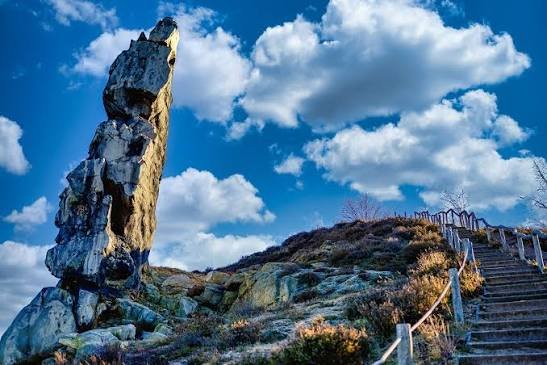

The teufelsmauer harz is one of Germany’s most fascinating natural landmarks, attracting hikers, photographers, and history lovers throughout the year. Stretching across the northern edge of the Harz region, this dramatic sandstone ridge is surrounded by myths, breathtaking landscapes, and scenic walking trails. Whether you are planning your first visit or simply want to learn more about this remarkable destination, understanding the history and beauty of teufelsmauer harz makes the experience even more rewarding.
Known as the “Devil’s Wall,” this geological wonder combines natural beauty with centuries-old legends, making it one of the most memorable attractions in Saxony-Anhalt.
What Is Teufelsmauer Harz?
The teufelsmauer harz is a unique sandstone rock formation located near the Harz Mountains in central Germany. Rising dramatically above forests, meadows, and charming villages, these striking cliffs were formed millions of years ago through geological processes involving erosion and tectonic movement.
Today, the site is recognized as a protected natural monument and is popular with outdoor enthusiasts who enjoy hiking, nature photography, and panoramic viewpoints. Its unusual appearance has inspired countless stories and local folklore, adding a sense of mystery to every visit.
The Legend Behind Teufelsmauer Harz
One reason the teufelsmauer harz remains so popular is the famous legend connected to its name. According to local folklore, the Devil made a deal to divide the land by building a wall overnight. Before he could complete the task, the crowing of a rooster convinced him that morning had arrived. Believing he had failed, the Devil destroyed the unfinished wall in frustration, leaving behind the dramatic rock formations visible today.
Although this tale belongs to mythology rather than history, it continues to capture the imagination of visitors and adds cultural significance to the landscape.
Geological History of the Rock Formation
How Nature Created the Devil’s Wall
The impressive cliffs of teufelsmauer harz were not created overnight but developed over millions of years. During the Late Cretaceous period, layers of sandstone were deposited beneath ancient seas. Over time, powerful geological forces pushed these rock layers upward, while wind and water gradually carved the distinctive shapes seen today.
This combination of uplift and erosion created the jagged ridges, isolated rock towers, and narrow passages that make the area so visually unique.
A Protected Natural Monument
Because of its scientific importance and ecological value, teufelsmauer harz is protected under German conservation laws. The surrounding habitats support diverse plant species, birds, insects, and wildlife, making the area valuable for both environmental research and sustainable tourism.
Visitors are encouraged to remain on designated trails to help preserve this remarkable landscape for future generations.
Best Hiking Trails Around Teufelsmauer Harz
The teufelsmauer harz offers hiking routes suitable for both beginners and experienced walkers. Well-marked paths connect famous rock formations, forests, and scenic viewpoints that overlook the surrounding countryside.
Popular sections include trails near Weddersleben, Timmenrode, and Blankenburg, where visitors can experience dramatic sandstone cliffs and breathtaking panoramic views. During sunrise and sunset, the warm light creates stunning photography opportunities across the rugged landscape.
Comfortable hiking shoes and weather-appropriate clothing are recommended, as some paths include rocky terrain and moderate elevation changes.
Best Time to Visit
The beauty of teufelsmauer harz changes with every season. Spring brings colorful wildflowers and fresh greenery, while summer offers ideal hiking conditions with longer daylight hours. Autumn transforms the forests into vibrant shades of red, orange, and gold, making it one of the most popular times for photographers.
Winter provides a peaceful atmosphere, and occasional snowfall creates a magical contrast against the dark sandstone cliffs. Regardless of the season, checking weather conditions before your visit helps ensure a safe and enjoyable experience.
Nearby Attractions Worth Exploring
Many travelers combine a visit to teufelsmauer harz with other attractions in the Harz region. Historic towns, medieval castles, scenic railways, and national parks are all within easy driving distance.
You can also explore related articles on your website, such as Best Places to Visit in Germany, Harz National Park Travel Guide, or Top Hiking Destinations in Europe. These internal links improve navigation while helping readers discover additional travel inspiration.
For reliable travel information, maps, and conservation updates, visitors should consult the official Harz tourism website and Germany’s protected landscape resources.
Conclusion
The teufelsmauer harz is much more than an unusual rock formation. It represents millions of years of geological history, rich German folklore, and some of the most spectacular scenery in central Europe. From scenic hiking trails and panoramic viewpoints to legendary stories and protected natural habitats, this remarkable destination offers something for every traveler. Whether you are interested in outdoor adventures, photography, or local history, teufelsmauer harz deserves a place on your travel itinerary.
FAQs
Where is teufelsmauer harz located?
It is located in Saxony-Anhalt, Germany, along the northern edge of the Harz region.
Why is it called the Devil’s Wall?
The name comes from a local legend claiming the Devil built the wall overnight before abandoning it.
Is teufelsmauer harz suitable for hiking?
Yes, the area features well-maintained hiking trails for visitors of different experience levels.
When is the best time to visit?
Spring and autumn are especially popular because of pleasant weather and beautiful natural scenery.
Is there an entrance fee?
Most hiking areas around teufelsmauer harz can be accessed free of charge, although parking fees may apply in some locations.