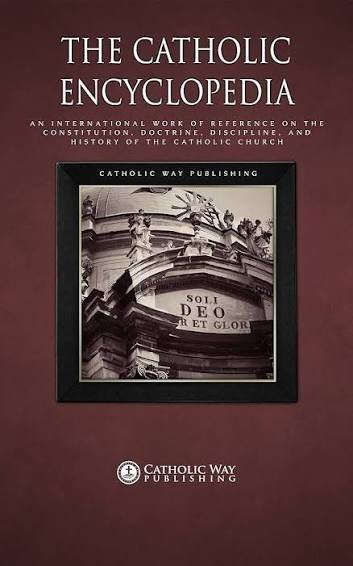

The Catholic Encyclopedia is one of the best-known historical reference works devoted to Catholicism, Christianity, theology, Church history, philosophy, Scripture, saints, liturgy, and related subjects. First published in the early 20th century, it remains a valuable resource for readers researching Catholic history and traditional Christian scholarship.
The Catholic Encyclopedia is particularly useful because its articles cover an exceptionally broad range of subjects. Modern readers can access many of its entries online, making this historic reference work easier to explore than ever before.
What Is the Catholic Encyclopedia?
The Catholic Encyclopedia is a major English-language reference encyclopedia created to provide detailed information about Catholic beliefs, institutions, history, people, places, theology, and religious culture. Its articles were written by numerous scholars and specialists rather than being the work of a single author.
New Advent describes the encyclopedia as originally published in 1914 and notes that it contains approximately 11,600 articles covering Catholic subjects. The online version has helped preserve and make accessible this extensive historical reference collection.
Because it was produced more than a century ago, the encyclopedia should be understood as a historical reference work. Its terminology, interpretations, and scholarly conclusions sometimes reflect the Catholic scholarship of its era.
History and Development of the Catholic Encyclopedia
The Catholic Encyclopedia emerged during a period when large reference works were becoming increasingly important for education and scholarship. Its purpose was to gather information about Catholic life and intellectual tradition into a comprehensive English-language resource.
The encyclopedia addresses subjects ranging from biblical studies and philosophy to Church government, religious orders, saints, art, literature, and ecclesiastical history. Its breadth makes it useful not only for Catholics but also for students and researchers studying European history, Christianity, medieval culture, and religious thought.
Its historical character is especially noticeable in articles dealing with subjects such as Church history. For example, its discussion of ecclesiastical history covers the development of Christianity across different periods, regions, institutions, and intellectual traditions.
What Topics Does the Catholic Encyclopedia Cover?
One major strength of the Catholic Encyclopedia is its extensive subject coverage. Readers can investigate biblical books, theological concepts, Christian traditions, historical events, saints, popes, councils, religious orders, liturgical practices, and Catholic institutions.
The encyclopedia also contains articles on subjects that connect religion with wider intellectual history. Philosophy, education, archaeology, art, literature, law, politics, and social institutions appear throughout its collection.
Its biblical material can be particularly useful for understanding how Catholic scholars approached Scripture during the period in which the encyclopedia was written. Articles on the New Testament, for example, discuss its books, origins, transmission, contents, and historical interpretation.
Catholic Encyclopedia and Church History
Church history is one of the encyclopedia’s most substantial areas of interest. Its historical articles examine the development of Christianity from the apostolic period through later centuries, including religious movements, councils, missions, institutions, and theological developments.
The encyclopedia’s historical approach also demonstrates how Catholic scholars of the early 1900s organized and interpreted historical evidence. Its article on historical criticism discusses the evaluation of documents, traditions, and other evidence used to investigate the past.
Why Is the Catholic Encyclopedia Still Useful?
The continuing value of the Catholic Encyclopedia comes largely from its depth and historical documentation. Researchers can use it to discover traditional terminology, locate information about lesser-known historical figures, and gain background knowledge before consulting newer scholarship.
It can also be helpful when researching older Catholic literature because many modern discussions refer to people, institutions, theological concepts, or historical events that are explained in its pages.
However, readers should avoid treating every statement as the final word on a subject. Historical research has developed significantly since the encyclopedia was published. Modern scholarship may provide different interpretations, newly discovered evidence, or corrections to older conclusions.
How to Use the Catholic Encyclopedia Responsibly
The Catholic Encyclopedia works best as one source within a broader research process. Readers should consider the publication date and the perspective of the original authors when evaluating its claims.
For historical or academic research, it is sensible to compare an encyclopedia article with modern scholarly books, peer-reviewed research, primary documents, and contemporary Catholic sources. This approach provides both historical perspective and updated scholarship.
The encyclopedia’s online availability through New Advent makes this comparison convenient. Readers can explore individual entries covering subjects such as Scripture, Church history, saints, theology, and Catholic institutions.
Catholic Encyclopedia vs. Modern Catholic Resources
The Catholic Encyclopedia should not be confused with a modern official teaching document of the Catholic Church. It is a historical reference encyclopedia produced by scholars and contributors more than a century ago.
For questions concerning current Catholic teaching, readers should consult contemporary official Church sources alongside historical references. For historical research, however, the encyclopedia can provide valuable insight into how Catholic scholars presented particular subjects during the early 20th century.
This distinction is important because a historical reference work and an authoritative contemporary teaching document serve different purposes.
Frequently Asked Questions
What is the Catholic Encyclopedia?
The Catholic Encyclopedia is a comprehensive historical reference work covering Catholic theology, history, Scripture, philosophy, saints, institutions, and many related subjects.
When was the Catholic Encyclopedia published?
The original encyclopedia was published in the early 20th century, with New Advent identifying its publication as 1914.
Is the Catholic Encyclopedia available online?
Yes. A large collection of its articles is available through New Advent, where readers can search and explore individual entries.
Is the Catholic Encyclopedia still reliable?
It remains valuable as a historical reference, but readers should remember that it reflects scholarship from its publication period. Modern sources should be consulted for updated research and contemporary Catholic teaching.
Who can benefit from the Catholic Encyclopedia?
Students, historians, researchers, Catholics, theologians, and anyone interested in Christian history can use it as a starting point for understanding religious and historical subjects.
Conclusion
The Catholic Encyclopedia remains an important historical reference for anyone interested in Catholicism and the wider history of Christianity. Its extensive coverage of theology, Scripture, Church history, philosophy, saints, institutions, and religious culture gives researchers access to a remarkable collection of early-20th-century scholarship.
Although modern readers should consider its historical context and compare its claims with contemporary research, the Catholic Encyclopedia continues to offer valuable background information and a window into Catholic intellectual history. Used thoughtfully alongside modern academic and official sources, it can be an effective starting point for deeper research.